DRIP Wardrobe Intelligence Pipeline
A personal wardrobe intelligence pipeline that discovers clothing, filters it through fit and style constraints, validates product/image quality, and holds recommendations behind a publish gate instead of pushing noisy shopping links.
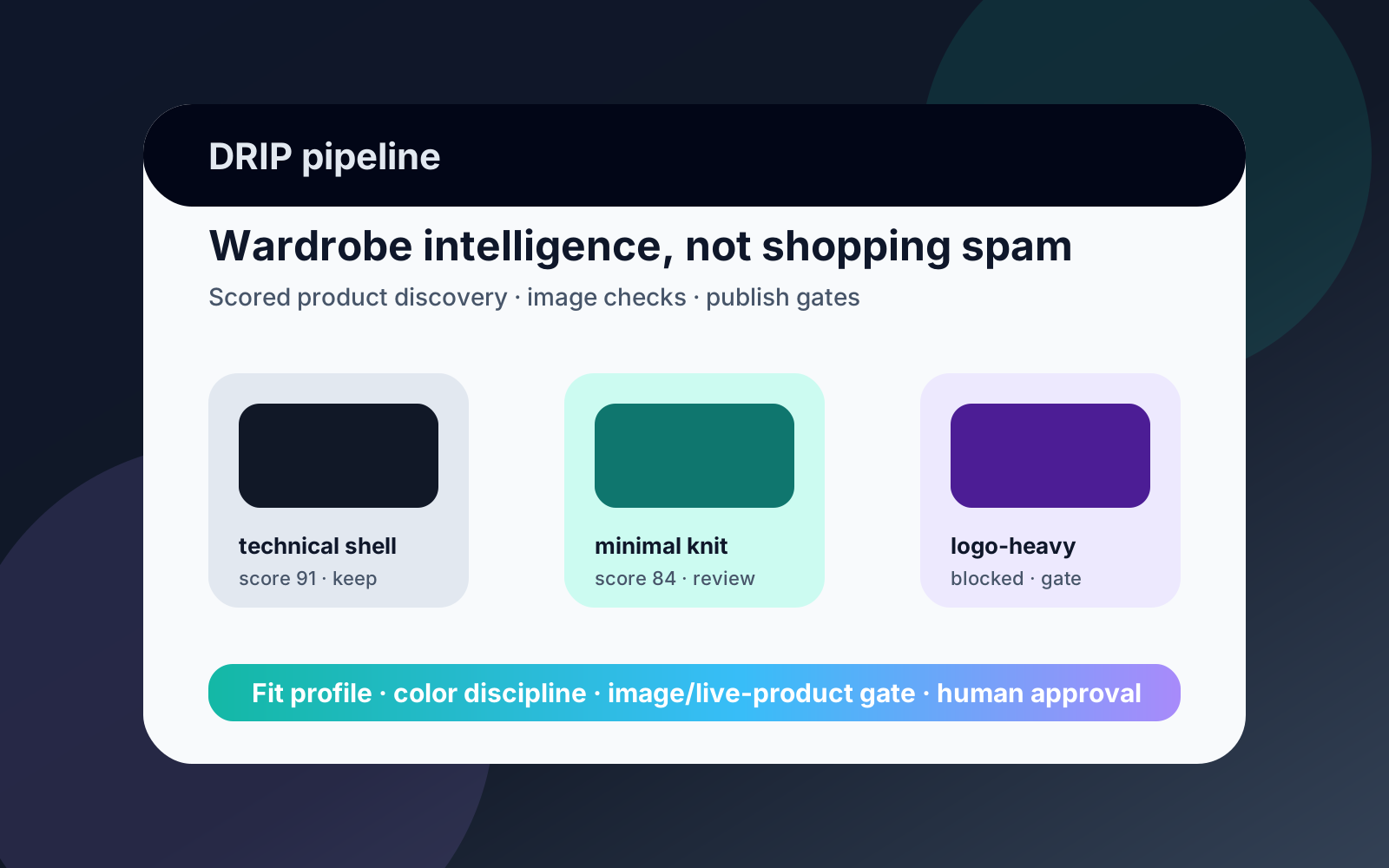
Overview
DRIP is a wardrobe intelligence pipeline for turning product discovery into curated recommendations. It is designed around a specific personal style profile instead of generic trend feeds: technical-minimal pieces, disciplined colors, fit constraints, and a strong bias against loud logos or luxury-flex noise.
The output is not meant to be a raw scrape. The pipeline acts like an editorial filter: gather candidates, score them, reject weak matches, and only publish items that pass live-product and image-quality gates.
What the system does
- Collects candidate items from shopping and style sources.
- Scores against a style profile covering category, color, size, silhouette, logo risk, and usefulness.
- Applies quality gates so broken products, dead pages, or unusable images do not reach the final review.
- Separates automation from approval so recommendations stay useful instead of becoming spam.
- Produces structured output that can be reviewed, reused, or published through a frontend.
Design principles
The core constraint is taste discipline. Automation is only useful if it reduces decision fatigue without flooding the user with junk.
DRIP therefore favors:
- black, charcoal, navy, olive, stone, and other low-noise palettes,
- technical/minimal menswear over loud hype pieces,
- practical sizing constraints,
- usable product imagery,
- and explicit review gates before anything is treated as a recommendation.
Pipeline architecture
Product discovery
  └─ candidate URLs, metadata, images, price signals

Filtering + scoring
  └─ fit profile, color rules, logo checks, category weighting

Quality gates
  └─ live-product validation, image validation, duplicate suppression

Review / publish layer
  └─ curated recommendations with human approval before final exposure
This keeps scraping, scoring, validation, and presentation as separate concerns. If a source changes or a gate becomes stricter, the whole system does not have to be rewritten.
Outcome
DRIP is a practical example of personal automation with taste built in. It does not try to automate buying. It automates the boring parts of discovery, rejects weak candidates early, and leaves the final judgment where it belongs: with the human who has to wear the clothes.