Ernst & Young data breach claimed by ShinyHunters extortion gang
Vendor breaches like E&Y's highlight inherent supply chain dependencies and data exposure.
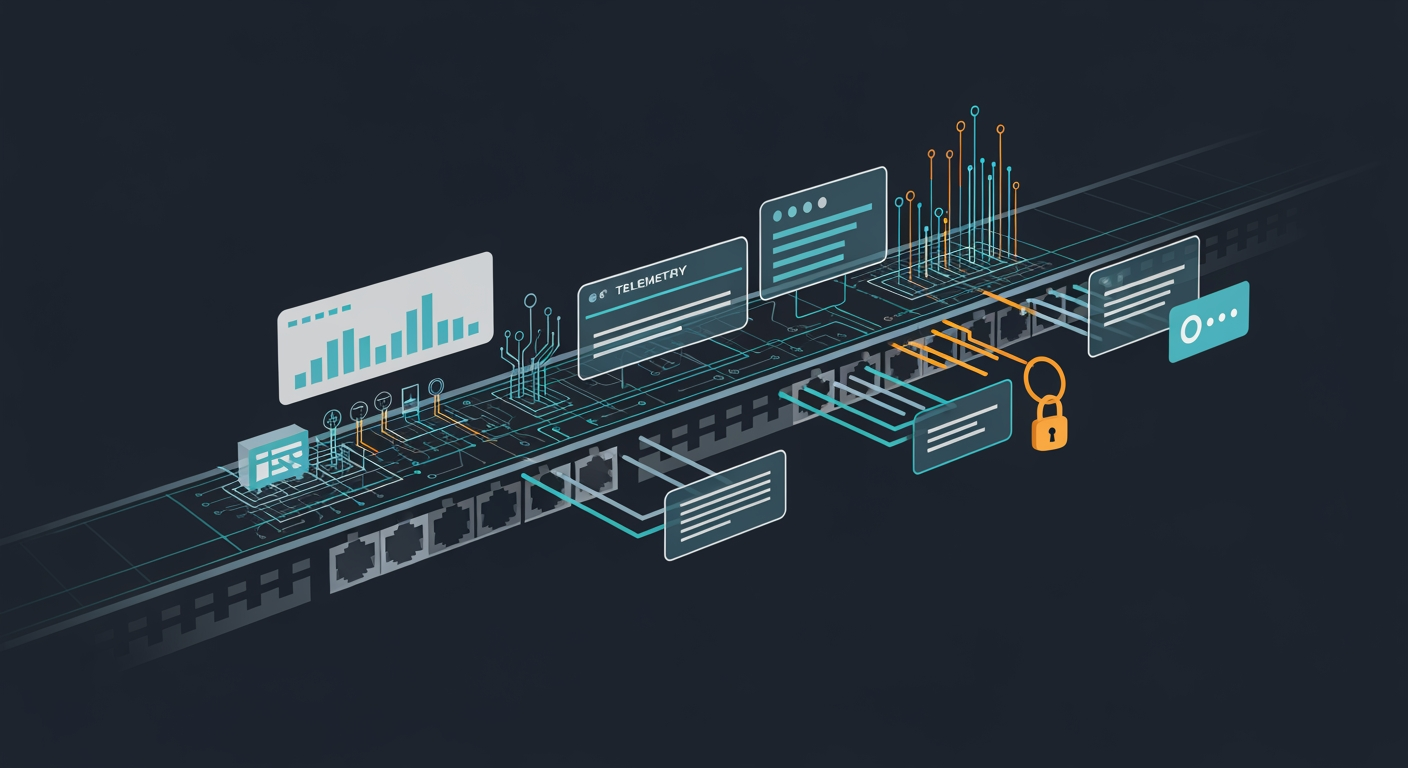
The headline is about ShinyHunters hitting Ernst & Young, but the lesson is about the system around it. This isn’t really a story about a sophisticated attacker; it’s a story about supply chain visibility and whether anyone actually owns the risk.
What happened
Ernst & Young confirmed a data breach. The extortion group ShinyHunters is taking credit, claiming they got in through one of E&Y’s own suppliers. Since ShinyHunters’ business model is extortion, they’ll likely leak whatever they stole if they don’t get paid. The details are still coming out, but the entry vector is the most useful part of the story.
What people will get wrong
The common mistake here is to focus on the attacker’s name or the victim’s logo. It’s easy to read this as “ShinyHunters is bad” or “E&Y had a bad day.” That’s a shallow take.
The real failure mode is usually more boring. This isn’t about one-off heroics. It’s about the slow, systemic breakdown of third-party risk management. People will treat this as a news event to be consumed instead of a scenario to be tested. They’ll assume their vendor security questionnaire is a meaningful control.
Practitioner lens
This is really an ownership problem. When a breach comes through a supplier, who is responsible for detection and response? That sounds simple, but it’s where security programs break.
What I’d want to know is:
- Which of our “trusted” partners has access to what systems? Not the list from procurement, but the actual, technical access paths.
- What telemetry would we even need to spot an attack coming through a partner connection? Is anyone looking at those logs?
- If we see something suspicious, who has the authority to sever that connection immediately? The business relationship owner? The security team? Is there a clear protocol, or is it just a series of meetings?
A third-party risk management program that ends with a signed contract and a questionnaire is not a control. It’s paperwork. The dashboard showing you have 500 vendors is not security. Security is being able to prove you can detect and contain a fire that starts in their house before it burns down yours.
That is not a tooling problem by itself. It’s about having a clear owner for the risk and a tested plan for when—not if—one of those third-party connections is compromised.
What to watch next
The question isn’t whether ShinyHunters will do this again. The question is whether your team can prove it can detect an attack coming from a “trusted” partner.
Use this as a prompt. Don’t just forward the article to your team. Ask them to verify your own exposure to a similar attack. Confirm the logging is in place. And most importantly, make sure the response path is owned by a specific person before the next headline drops.
Source: Ernst & Young data breach claimed by ShinyHunters extortion gang